History of Doubleday Field in Cooperstown NY

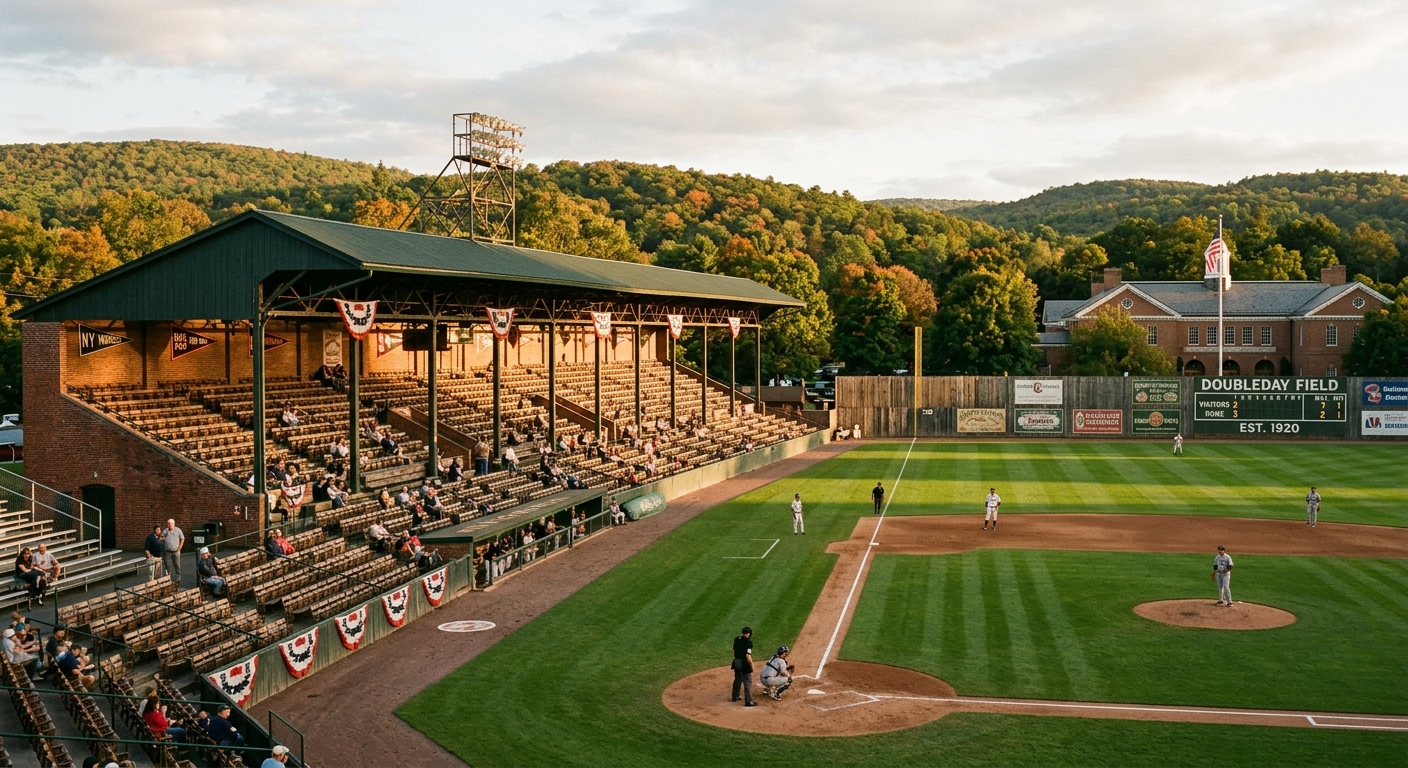
Cooperstown · Community Photo
Discover how a modest village diamond blossomed into a national emblem of America’s pastime, weaving together the rich tapestry of Cooperstown baseball history and the enduring legacy of Doublesay Field history.
Welcome to Doubleday Field
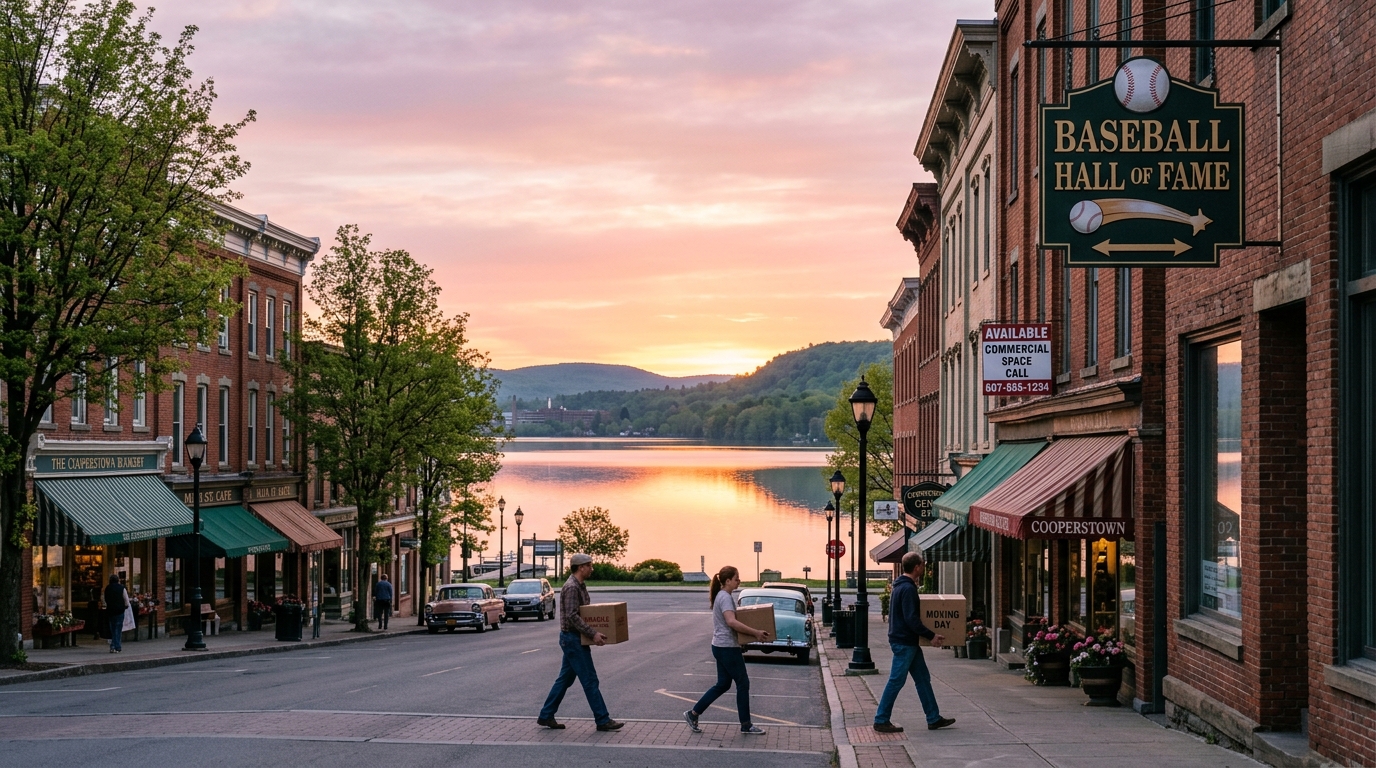
Set just two village blocks away from the Baseball Hall of Fame, Doubleday Field sits at the heart of Cooperstown baseball history. The stadium’s modest grandstand and historic grass echo the early 20th‑century celebrations that helped cement Cooperstown as the sport’s pilgrimage site.
When the grounds first opened on September 6, 1920, a game between Milford and Cooperstown marked the beginning of a century‑long tradition of baseball festivities. Today, stepping onto the field feels like a walk back to the mythic origins of America’s pastime, a place where fans and players alike honor the legends that shaped the game.
Located only two blocks from the National Baseball Hall of Fame and Museum.
Official opening date: September 6, 1920.
First game featured the local teams of Milford and Cooperstown.
From Elihu Phinney’s Pasture to Abner Doubleday’s Myth
Pasture Beginnings
The ground that would become Doubleday Field was once a cow pasture owned by Elihu Phinney. Situated just a few blocks from the future site of the National Baseball Hall of Fame, the grassy meadow served the local farming community before any stadium ever existed.
Mills Commission and the 1839 Baseball Legend
In 1905, sporting‑equipment magnate Albert Spalding helped create the Mills Commission to investigate the origins of baseball. The commission’s 1907 report famously cited testimony from Abner Graves, who claimed that Abner Doubleday laid out the first diamond on Phinney’s pasture in 1839. This assertion cemented the 1839 baseball legend that Cooperstown would later celebrate.
Enduring Myth
Although modern scholars agree that baseball evolved from earlier English bat‑and‑ball games such as rounders, the town embraced the Doubleday story. The myth provided Cooperstown with a singular narrative that positioned it as the spiritual home of America’s pastime, a identity that endures in the stadium’s name and in the lore surrounding the Hall of Fame Games.

Stadium Opening 1920 and the WPA Grandstand Expansion
Year / Period | Milestone Event | Historical Significance |
|---|---|---|
September 6, 1920 | Official opening game – Milford vs Cooperstown | Provided the first formal contest, establishing the field as a dedicated baseball venue. |
1939 | WPA grandstand built for the 1939 Baseball Centennial | Introduced a steel‑and‑concrete grandstand, reflecting New Deal investment and commemorating baseball’s centennial. |
1940 | Inauguration of the annual Hall of Fame exhibition game series | Launched a tradition of major‑league exhibition games during Hall of Fame induction weekends. |
Grassroots Fundraising Saves the Pasture
In the spring of 1919 local residents rallied to preserve the former Elihu Phinney cow pasture that would become the future home of baseball in Cooperstown. Through town‑wide bake sales, donation drives, and volunteer labor, the community raised enough money to clear the field, lay a basic diamond, and keep the land from being sold for development. Their effort culminated in a Labor Day opener on September 6 1920, when the village team hosted Milford in the inaugural game that officially christened the venue.
New Deal Construction and the WPA Grandstand
As the stadium’s popularity grew, a temporary wooden bleacher built in 1924 proved insufficient for the crowds drawn by the Hall of Fame’s annual games. In response, the federal Works Progress Administration launched a construction program that erected a permanent steel‑and‑concrete covered grandstand. This WPA grandstand was completed just in time for the 1939 Baseball Centennial, providing a proud, durable backdrop for the nation’s celebration of a hundred years of organized baseball.
Transformation into a World‑Class Showpiece
The new grandstand not only increased seating capacity but also gave Doubleday Field a modern, professional appearance that matched its historic significance. From that point forward, the field became the premier venue for the Hall of Fame Game and a beloved gathering place for high‑school teams, tourists, and baseball enthusiasts alike.
Hall of Fame Game Highlights and Doubleday Field Dimensions
Hall of Fame Game Highlights and Doubleday Field dimensions
Ballpark Metric / Feature | Specification | Historical & Strategic Context |
|---|---|---|
Left Field Distance | 296 ft | Short porch presenting a classic target for right‑handed pull hitters; this is a key element of the overall Doubleday Field dimensions that have shaped play for a century. |
Center Field Distance | 390 ft | Deep alley requiring exceptional outfield coverage and precision, reinforcing the venue’s reputation as a challenging, historic ballpark. |
Right Field Distance | 312 ft | Classic vintage distance framed by historic outfield fences, contributing to the balanced yet distinctive character of the field. |
Seating Capacity | ~9,791 spectators | Intimate grandstand and bleachers offering close‑up spectator experiences; the layout is reflected in the famed Doubleday Field seating chart used by fans and event planners. |
Hall of Fame Game Era
The annual Hall of Fame Game became a beloved tradition at Doubly Field after it began in 1940. During each Hall of Fame induction weekend, Major League Baseball teams traveled to Cooperstown to stage a mid‑season exhibition on the historic diamond. These games brought together generations of Hall of Famers, rising prospects, and longtime fans, turning the modest 9,791‑seat ballpark into a lively showcase of baseball heritage.
Who played at Doubleday Field
Throughout the 68‑year span, a rotating roster of MLB clubs took the field at Doubleday Field. The visiting teams, eager to honor new inductees, often fielded lineups that blended veteran alumni with future stars, offering a unique glimpse of baseball’s past, present, and future in a single contest.
Conclusion of the Series
By 2008, the Hall of Fame Game faced mounting challenges. The increasing complexity of the MLB schedule, coupled with logistical constraints of moving club equipment and personnel to a small‑capacity venue, made it difficult to sustain the tradition. As a result, the final Hall of Fame Game was held that year.
Transition to a New Tradition
In 2009, the tradition was revived in a new format known as the Hall of Fame Classic. While the Classic continues to feature former major leaguers and special guests, it shifts the focus away from regular‑season teams, preserving the spirit of the original exhibitions while adapting to modern baseball realities.
1940‑2008: Hall of Fame Game hosted at Doubly Field.
2009 onward: Hall of Fame Classic replaces the game.
Legacy: Both events celebrate baseball’s rich history in Cooperstown.
Doubleday Field Schedule Does anyone play at Doubleday Field
Yes. The Village of Cooperstown books the historic diamond from spring through autumn for a range of community teams. High‑school squads, collegiate summer leagues, amateur tournaments, and youth showcase games all use the field throughout the baseball season.
Babe Ruth took part in the 1939 Baseball Centennial celebrations that coincided with the opening of the Hall of Fame. During those festivities, he appeared on the field at Doubleday Field, adding a legendary moment to its history.
When no games are scheduled, the ballpark is open to village visitors. Guests can walk the grounds, photograph the historic grandstand, and enjoy the atmosphere. It sits just off Main Street, making it easy to access during a day in Cooperstown.
Visitors often leave positive Doubleday field reviews highlighting the charm and accessibility of the site.
Scheduling is handled by the Village of Cooperstown. Organizations submit reservation requests for the baseball season, and the village coordinates dates to ensure teams have access while maintaining the historic integrity of the venue. This process is commonly referred to as the Doubleday Field Schedule.
Explore Cooperstown’s Historic Baseball Heritage
Step onto Doubleday Field, the historic venue that opened on September 6, 1920, and sit just two village blocks from the Baseball Hall of Fame. After catching a game or touring the grounds, wander through Cooperstown’s charming downtown to discover local shops, cafés, and museums that celebrate America’s pastime.
Visit the Hall of Fame’s Doubleday Field history page for details on upcoming games, special events, and visitor tips.